
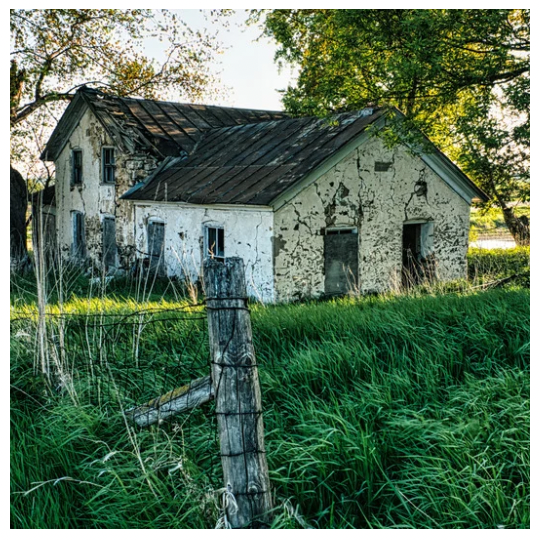
The management of abandoned properties, sometimes referred to in French as “biens sans maître” (ownerless property) or “abandon manifeste” (manifest abandonment), is a structured legal process primarily handled by town halls or communes. If you are dealing with an estate in France, you may discover that it includes abandoned property. Read on to find out how it would be legally managed. For full details on required paperwork, including apostille and document legalisation, see our Apostille Services page.
What Happens to an Abandoned Property in France?
The French system is intended to prevent a property from becoming ownerless, guaranteeing that, if the private owner cannot be found, responsibility is eventually transferred to a public body. According to French law, specifically the Code Général de la Propriété des Personnes Publiques, a municipality may purchase two primary types of property:
Category 1 – Successions Have Been Open for 30 years or more
Property that was part of an estate (succession) established over thirty years ago and for which no legitimate heir has emerged to assert a claim. To expedite urban regeneration, this time frame can be shortened to 10 years in specific revitalisation zones (such as ORT or QPV). For official guidance on French property law and ownerless estates, refer to Legifrance: Code Général de la Propriété des Personnes Publiques.
By merely recording the acquisition with a legal resolution, the municipality (Commune) obtains the property de plein droit (by law, or by right). The property is given to the State if the Commune gives up its claim.
Category 2 – Unknown Ownership and Unpaid Taxes on Property
This applies to properties where land taxes (taxes foncières) have not been paid for more than 3 years (or have been paid by a third party) and the owner is unknown or cannot be located. If no owner comes forward within 6 months, the municipality may incorporate the property into its assets through a more complex process initiated by the mayor and including an investigation to locate the owner and the formal publication of an administrative decision. If you need help tracing a French will or confirming asset ownership, read our Finding a French Will guide.
The process of “Manifest Abandonment”
This process differs from biens sans maître in that the property’s owner is known but has neglected it to the point where it is a threat to the community or a blight.
When a property is obviously neglected, poses a risk to public health or safety, or seriously harms the neighbourhood, the mayor starts this process. The owner is given a three-month deadline to commit to fixing the issue after the mayor releases a provisional report (procès-verbal) outlining the necessary repairs. The process is halted if the owner takes action. The municipal council may expropriate the land for public utility if the owner does nothing after the mayor delivers a conclusive report. This enables the Commune to assume responsibility for a judge-determined reparation amount. This process compels a known but careless owner to take action.
The Original Owner’s Rights
For 30 years from the date of the municipality’s acquisition, the original owner (or their successors) may still assert a claim to the property even after the commune has acquired it as bien sans maître. All outstanding taxes and costs imposed by the Commune for the upkeep and preservation of the property, however, must be covered by the owner.
The previous owner cannot reclaim the property itself if the municipality has already sold it or converted it for a use in the public interest (such as building a park or school), but they are entitled to compensation equal to the property’s value. This method shows how French law strikes a balance between the public interest in managing and reviving abandoned places and the respect for private property rights.
If you need help with French Probate, contact French Probate Matters on 020 8150 2010 or info@frenchprobatematters.com
Recent Comments